Saint Kitts and Nevis
Explore the smallest country in the Americas with sugar plantation history, volcanic peaks, and beautiful black sand beaches.

Saint Kitts and Nevis with Mount Liamuiga volcano and pristine beaches
Welcome to the smallest country in the Americas, where two beautiful volcanic islands are connected by history but separated by a narrow channel of crystal-clear Caribbean water! Saint Kitts and Nevis is like a living museum of Caribbean history, where you can explore 400-year-old sugar plantation ruins, hike up dormant volcanoes, and swim on beaches with black volcanic sand that sparkles in the sunlight. This tiny twin-island nation packs incredible history, natural beauty, and Caribbean charm into just 104 square miles!
Saint Kitts and Nevis gained independence from Great Britain on September 19, 1983, making it one of the newest countries in the Americas. Saint Kitts was named "San Cristóbal" by Christopher Columbus after Saint Christopher, the patron saint of travelers, while Nevis gets its name from the Spanish "Nuestra Señora de las Nieves" (Our Lady of the Snows) because clouds around the volcanic peak reminded Spanish sailors of snow-capped mountains. The indigenous Kalinago (Carib) people called Saint Kitts "Liamuiga" (fertile land) and Nevis "Oualie" (land of beautiful waters).

Map showing both Saint Kitts and Nevis islands with their parishes, Mount Liamuiga volcano, historic plantation areas, and the narrow channel separating them. Image Credits: Lee6597, Wikimedia Commons


info-box ##SAINT KITTS AND NEVIS FACTS INDEPENDENCE: September 19, 1983 (41 years ago) POPULATION: About 47,000 people CAPITAL: Basseterre (on Saint Kitts) PARISHES: 14 parishes total (9 on Saint Kitts, 5 on Nevis) BIGGEST CITY: Basseterre (13,000 people) NATIONAL BIRD: Brown Pelican NATIONAL FLOWER: Poinciana IMAGE: https://images.unsplash.com/photo-1721428288831-4a7887d66182?q=80&w=1470&auto=format&fit=crop&ixlib=rb-4.1.0&ixid=M3wxMjA3fDB8MHxwaG90by1wYWdlfHx8fGVufDB8fHx8fA%3D%3D :::


Amazing Wildlife
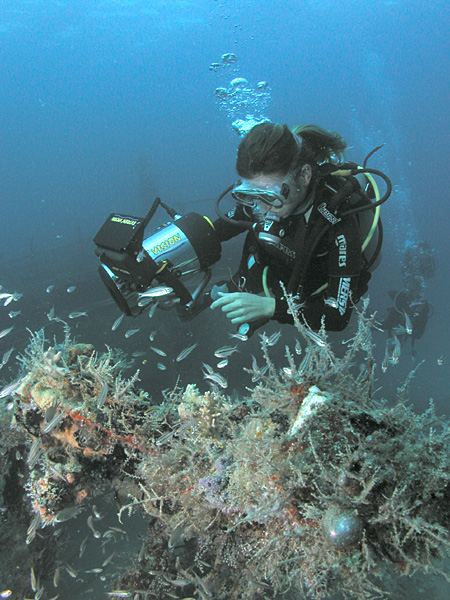
The brown pelican is the national bird and can be seen diving into the ocean to catch fish around both islands. The volcanic peaks are home to endemic species including the Saint Kitts bullfinch and various anole lizards. The surrounding waters support coral reefs with tropical fish, sea turtles that nest on the beaches, and humpback whales that migrate through the area. The islands also have troops of vervet monkeys that were brought from Africa centuries ago and now live wild in the forests.


Natural Resources
Historically, sugar cane was the foundation of the islands' economy for over 300 years, with massive plantations covering much of the land until sugar production ended in 2005. Today, the islands focus on tourism, taking advantage of their beautiful beaches, historic sites, and volcanic landscapes. The fertile volcanic soil now grows tropical fruits, vegetables, and crops for local consumption, while the historic plantation sites have become fascinating tourist attractions.


Saint Kitts and Nevis truly proves that great things come in small packages, where two tiny volcanic islands hold centuries of Caribbean history and natural beauty that rivals any destination in the world!