Trinidad and Tobago

Discover the twin-island nation that invented steel drums, hosts amazing Carnival celebrations, and protects incredible wildlife.


Trinidad's breathtaking Maracas Beach surrounded by lush green mountains

Trinidad's breathtaking Maracas Beach surrounded by lush green mountains

Photo BY Thruston Benny, Unsplash

Welcome to the twin-island nation where Carnival is like a giant rainbow party and steel drums make music that sounds like pure happiness! Trinidad and Tobago is like having two different vacation destinations in one amazing country - Trinidad with its vibrant culture, steel drum music, and colorful Carnival celebrations, and peaceful Tobago with pristine beaches, coral reefs, and rainforests full of exotic birds. Together, these sister islands create one of the most culturally rich and naturally beautiful countries in the Caribbean!

Trinidad and Tobago Carnival Women in colourful attire at Trinidad and Tobago's famous Carnival. Image Credit: Mark Morgan Trinidad A, Flickr

Trinidad and Tobago gained independence from Great Britain on August 31, 1962, after being a unified colony since 1889. Christopher Columbus named Trinidad after the Holy Trinity when he saw three mountain peaks, while Tobago got its name from the Carib word "tobaco," referring to the pipe used for smoking tobacco. The indigenous Carib and Arawak peoples lived on these islands long before European colonization, and their influence is still part of the islands' rich cultural mix.
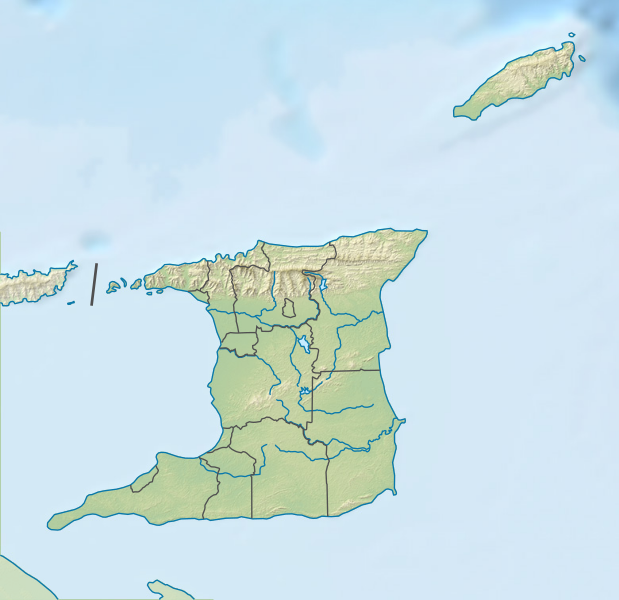
Map of Trinidad and Tobago

Map showing both Trinidad and Tobago islands with their regions, major cities, the Northern Range mountains, and position near Venezuela. Image Credits: NordNordWest, Wikimedia Commons
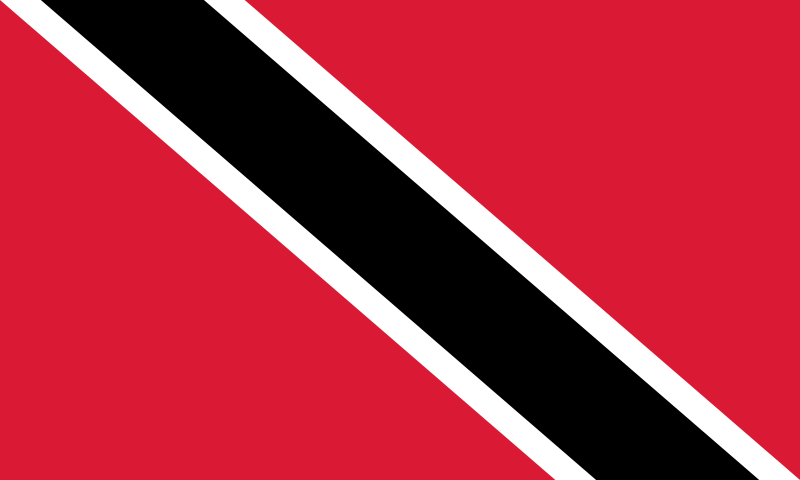
Trinidad and Tobago FlagChaconia FlowerScarlet Ibis BirdTrinidad and Tobago Banknotes
Trinidad and Tobago national symbols: red, white, and black flag, chaconia flower, scarlet ibis bird, and Trinidad and Tobago dollar featuring national birds. Image Credits (from top left to bottom right): Denniss, Wikimedia Commons; Albert Sydney, Wikimedia Commons; Chensiyuan, Wikimedia Commons; Central Bank of Trinidad and Tobago, Wikimedia Commons

TRINIDAD AND TOBAGO FACTS
INDEPENDENCE: August 31, 1962 (62 years ago)
POPULATION: About 1.4 million people
CAPITAL: Port of Spain (on Trinidad)
REGIONS: 14 regional corporations
BIGGEST CITY: Port of Spain (545,000 people)
NATIONAL BIRD: Scarlet Ibis and Rufous-vented Chachalaca
NATIONAL FLOWER: Chaconia (Wild Poinsettia)
Info box image

History and Geography
Trinidad and Tobago has one of the most diverse cultures in the Caribbean, with influences from Africa, India, China, the Middle East, and Europe all blending together! Trinidad is the larger, more industrial island with oil and natural gas resources, while Tobago is smaller and focuses on tourism and agriculture. The islands sit just off the coast of Venezuela and have everything from mountains and rainforests to swamps perfect for wildlife and beaches ideal for nesting sea turtles.

Pitch LakePigeon Point BeachNorthern RangeCaroni Swamp
Twin island geography: Trinidad's Pitch Lake (largest natural asphalt deposit), Tobago's pristine Pigeon Point Beach, Northern Range rainforest mountains, and Caroni Swamp mangroves. Image Credits (from top left to bottom right): Martina Jackson, Wikimedia Commons; Kp93, Wikimedia Commons; RajkumarBhola1952, Wikimedia Commons; Bas Leenders, Wikimedia Commons

Amazing Wildlife

Trinidad and Tobago is a birdwatcher's paradise with over 470 bird species! The beautiful scarlet ibis with its brilliant red feathers is one of the national birds and gathers by the thousands in the Caroni Swamp at sunset. Tobago is home to the oldest protected rainforest in the Western Hemisphere, where you can see colorful motmots, trogons, and hummingbirds. The islands' beaches are important nesting sites for giant leatherback sea turtles, the largest turtles in the world!

Scarlet Ibis BirdLeatherback TurtlesRufous-Vented ChachalacasCopper-Rumped Hummingbird
Islands' incredible animals: scarlet ibis flocks creating red clouds at sunset, giant leatherback turtles nesting on beaches, colorful rufous-vented chachalacas, and tropical copper-rumped hummingbird. Image Credits (from top left to bottom right): Clément Bardot, Wikimedia Commons; Bernard DUPONT, Wikimedia Commons; Aitor, Wikimedia Commons; Charles J. Sharp, Wikimedia Commons

Natural Resources

Trinidad is rich in oil and natural gas, which have made the country one of the wealthiest in the Caribbean. The islands also have the world's largest natural deposit of asphalt at Pitch Lake, which has been used to pave roads around the world. Tobago focuses on sustainable tourism and grows cacao, coconuts, and tropical fruits in its fertile volcanic soil.

Pointe a PierreTrinidad and Tobago Resources
Islands' natural wealth: offshore oil and gas platforms (Pointe a Pierre) providing energy resources and cacao plantations producing premium chocolate beans. Image credits (from left to right): Kalamazadkhan, Wikimedia Commons, The food of the Gods: A Popular Account of Cocoa (1903), Wikimedia Commons

CARNIVAL AND CULTURE FACTS
Trinidad invented the steel drum (steel pan) which is the only acoustic musical instrument invented in the 20th century
The country's Carnival is one of the largest and most spectacular in the world with months of preparation
Calypso and soca music were both born in Trinidad and spread throughout the Caribbean
The islands have the most diverse population in the Caribbean with people from six continents living in harmony

Trinidad and Tobago truly proves that the best things come in pairs, where twin islands create twice the beauty, twice the culture, and twice the reasons to celebrate life every single day!