Venezuela

Discover the land of Angel Falls, vast oil reserves, and unique tepui mountains that inspired the movie Up.


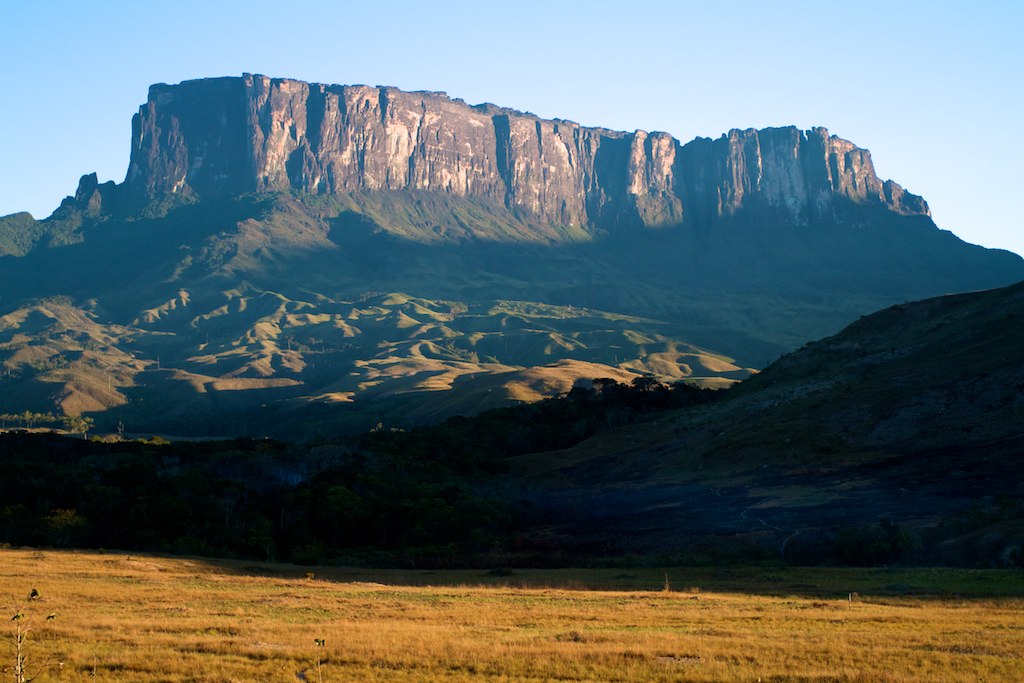
Venezuelan landscape showing the ancient tepui mountains with vast plains

Venezuelan landscape showing the ancient tepui mountains with vast plains

Photo BY Eduardo Juhyun Kim, Unsplash

¡Bienvenidos a Venezuela! Welcome to the land of superlatives, home to the world's tallest waterfall and some of the oldest mountains on Earth! Venezuela is like a country designed by nature to break records - it has Angel Falls, which drops 3,212 feet (that's taller than 8 Empire State Buildings stacked on top of each other!), mysterious table-top mountains called tepuis that inspired Disney's movie "Up," and vast oil reserves that have made it one of the world's most important energy producers. This incredible country connects the Caribbean Sea, Amazon rainforest, and Andes Mountains in one amazing land of natural wonders.

Venezuela declared independence from Spain on July 5, 1811, led by the great liberator Simón Bolívar, who was born in Caracas and is known as "El Libertador." The name "Venezuela" means "Little Venice" in Spanish - Italian explorer Amerigo Vespucci gave it this name because indigenous houses built on stilts over Lake Maracaibo reminded him of Venice, Italy. The indigenous peoples had many different names for their territories, but the Spanish name became the name for the entire country.

Map of Venezuela

Map of Venezuela showing its 23 states, Caribbean coastline, and oil-rich Lake Maracaibo. Image Credit: Wilfredor, Wikimedia Commons

Venezuelan FlagAraguaney TreeTurpial BirdVenezuelan Bolívar Currency
Venezuelan national symbols: yellow, blue, and red flag with stars and coat of arms, araguaney tree, turpial bird, and bolívar currency featuring national heroes. Image Credits (from top left to bottom right): Aris Odi, Wikimedia Commons; Cesar Pérez, Wikimedia Commons; Bjørn Christian Tørrissen, Wikimedia Commons; banknote world, Wikimedia Commons

VENEZUELA FACTS
INDEPENDENCE: July 5, 1811 (213 years ago)
POPULATION: About 28.8 million people
CAPITAL: Caracas
STATES: 23 states plus 1 federal district
BIGGEST CITY: Caracas (2.9 million people)
NATIONAL BIRD: Turpial (Venezuelan Troupial)
NATIONAL FLOWER: Orchid (Cattleya mossiae)
Info box image

History and Geography
Venezuela has some of the most unique geography in South America! The country is home to ancient tepuis - massive table-top mountains that are among the oldest rock formations on Earth, dating back 2 billion years. These mysterious mountains rise like giant tables from the jungle and are home to plants and animals found nowhere else on Earth. Venezuela also has the mighty Orinoco River, vast grasslands called llanos where cowboys called llaneros herd cattle, beautiful Caribbean beaches, and parts of both the Andes Mountains and Amazon rainforest.

Angel FallsTepui MountainsLlanos GrasslandsCaribbean Coast Beaches
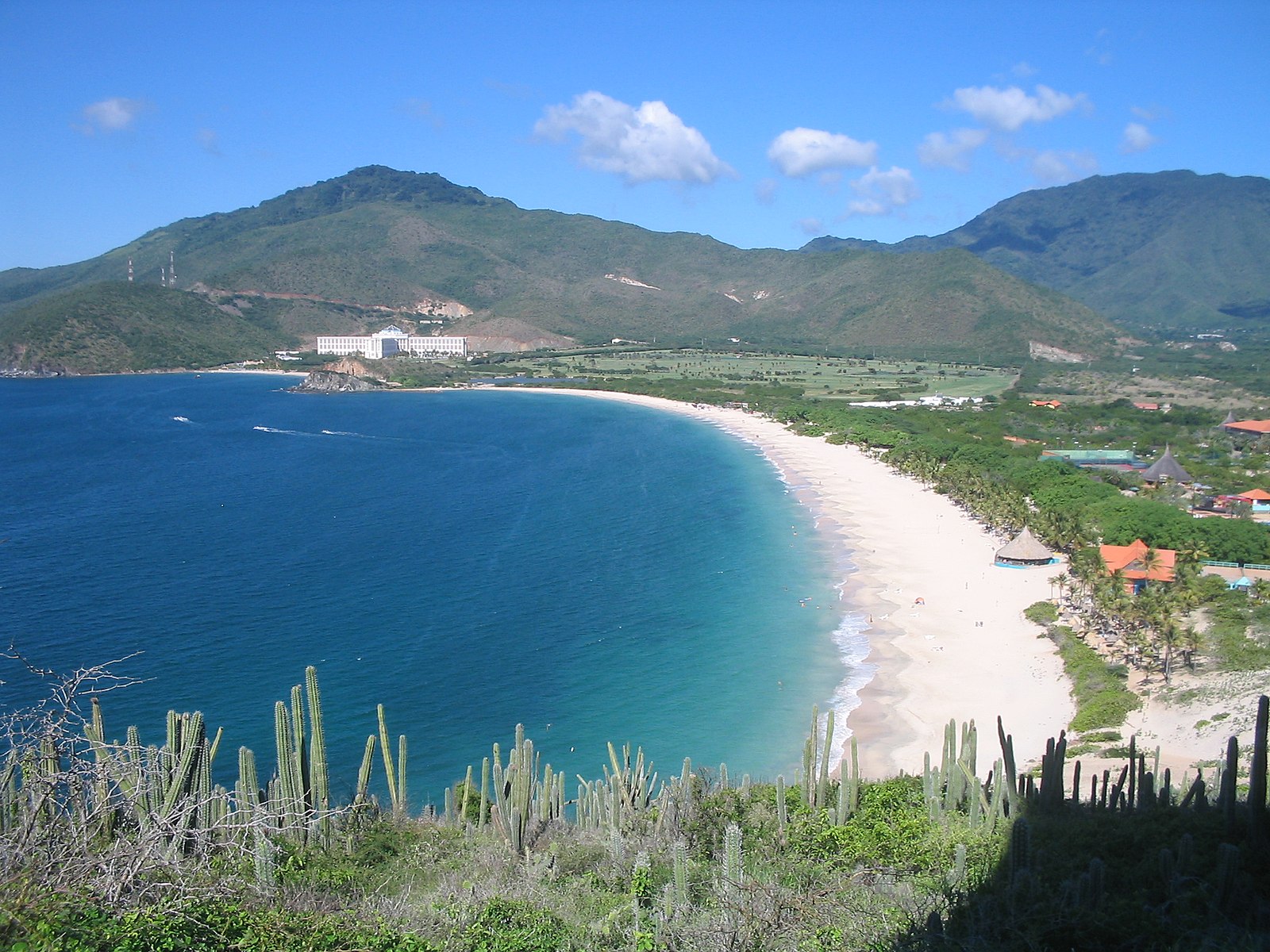
Venezuela's unique geography: Angel Falls cascading from tepui cliffs, ancient table-top tepui mountains, vast llanos grasslands with scattered trees, and Caribbean coast beaches. Image Credits (from top left to bottom right): ZaireTuris, Wikimedia Commons; Paulo Fassina, Wikimedia Commons; Crucifix Jean-Luc jlcrcfx, Wikimedia Commons; Enano275, Wikimedia Commons

Amazing Wildlife

The beautiful turpial with its bright orange and black feathers is Venezuela's national bird and builds hanging nests in trees. The tepui mountains are home to unique species found nowhere else, including carnivorous plants that eat insects! Venezuela's diverse ecosystems support jaguars in the Amazon region, Orinoco crocodiles (one of the largest crocodile species in the world), giant otters, colorful macaws, and unique tepui endemic species like tiny black frogs and strange plants that have evolved in isolation for millions of years.

TurpialsOrinoco CrocodilesJaguarsPolytmus milleri White-tailed Goldenthroat (or Tepui Goldenthroat)
Venezuela's unique animals: colorful turpials in tropical trees, massive Orinoco crocodiles in river waters, jaguars prowling through Amazon forests, and endemic tepui species found nowhere else on Earth. Image Credits (from top left to bottom right): Bjørn Christian Tørrissen, Wikimedia Commons; Fernando Flores, Wikimedia Commons; Charles J. Sharp, Wikimedia Commons; David Ascanio, Wikimedia Commons

Natural Resources

Venezuela has some of the world's largest proven oil reserves, with vast deposits around Lake Maracaibo and in the Orinoco Belt that have made it a major global energy producer. The country also has significant natural gas, gold, diamonds, and iron ore deposits. The Orinoco River system provides abundant fresh water, and the fertile llanos region is perfect for cattle ranching and agriculture.
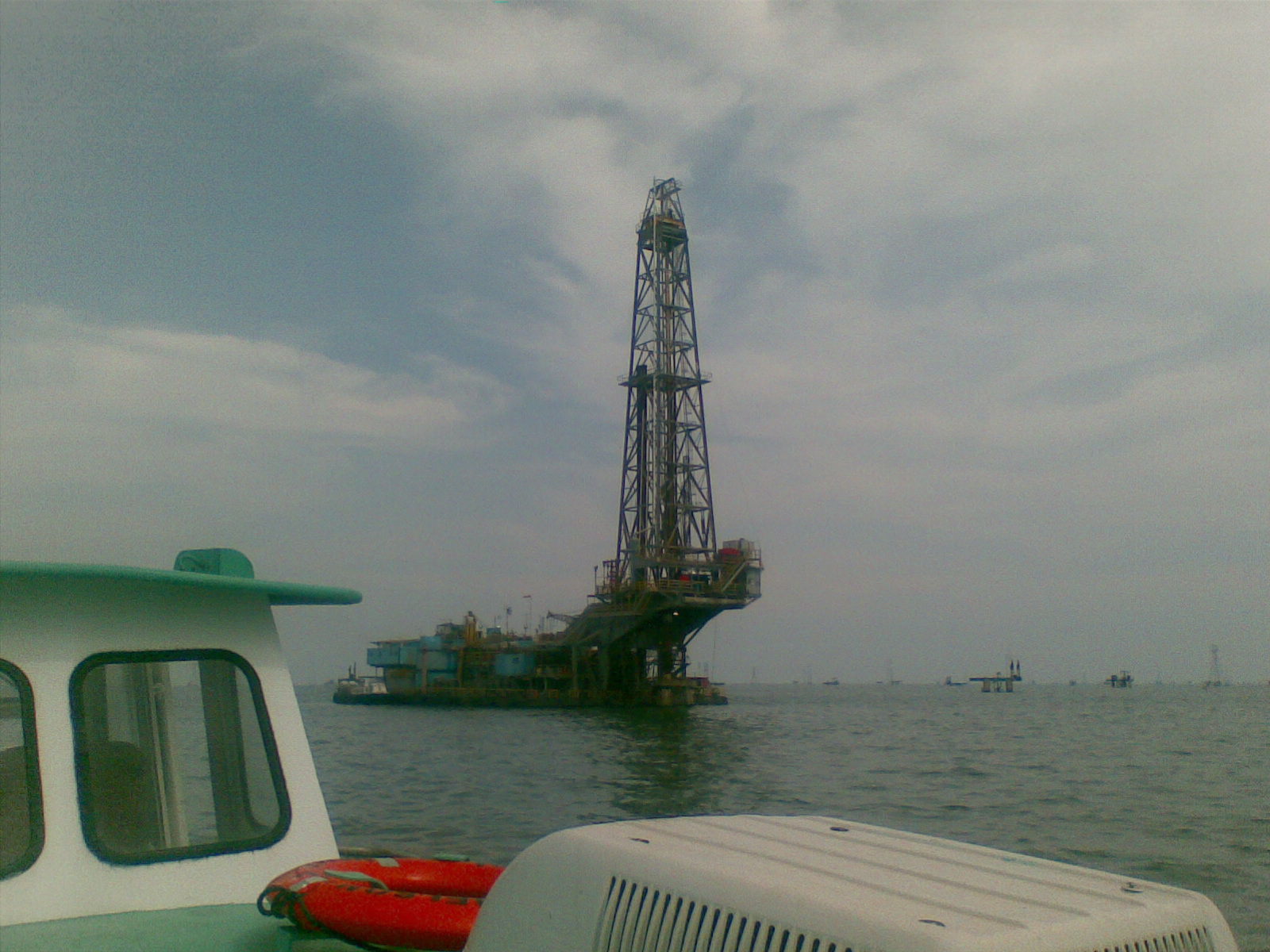
Offshore Oil PlatformsCattle Ranching on the llanos grasslands
Venezuela's wealth: offshore oil drilling platforms in Lake Maracaibo and cattle ranching operations on the vast llanos grasslands. Image Credits (from top left to bottom right): Dennysalberto7, Wikimedia Commons; Anagoria, Wikimedia Commons

RECORD-BREAKING VENEZUELA FACTS
Angel Falls is 19 times taller than Niagara Falls and was unknown to the outside world until 1933
The tepui mountains are so old they existed before South America separated from Africa
Venezuela has won more Miss Universe and Miss World beauty pageants than any other country
Lake Maracaibo is South America's largest lake and sits on top of one of the world's largest oil fields

Venezuela truly is South America's land of superlatives, where ancient tepui mountains hold secrets from Earth's distant past and modern oil wealth flows from beneath some of the continent's most spectacular natural wonders!