Pteranodon
Pteranodon was a flying reptile with wings about 6 m wide and no teeth at all. Find out how it soared over an ancient sea that covered Kansas.
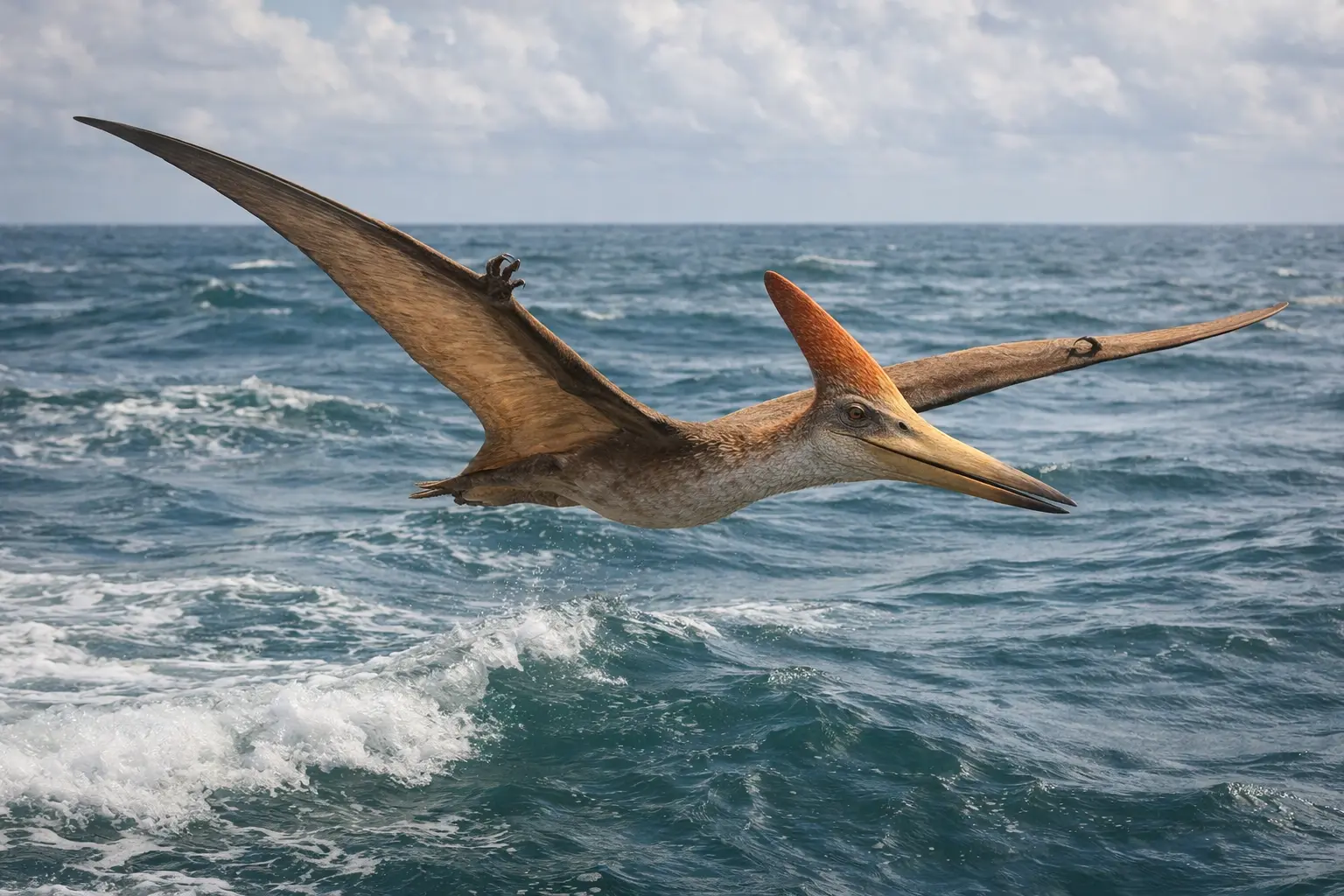
Pteranodon gliding over ocean waves with wings outstretched.
Duskbloom Littles (Artistic Image Rendering)
Pteranodon was a giant flying reptile that soared over an ancient sea. Even though it lived at the same time as the dinosaurs, it wasn't a dinosaur. It belonged to a group of flying reptiles called pterosaurs. Its name means "wing without teeth."
 PTERANODON FACTS
When and where it lived
About 85 million years ago, a huge, shallow sea split North America in two. It's called the Western Interior Seaway, and it covered the land where Kansas is today. Pteranodon flew over this sea, and most of its fossils have been found in the chalky rocks of western Kansas.
The seaway was warm and full of life. Fish, sharks, giant swimming reptiles called mosasaurs and huge sea turtles all lived in its waters, while Pteranodon glided above.
What it ate
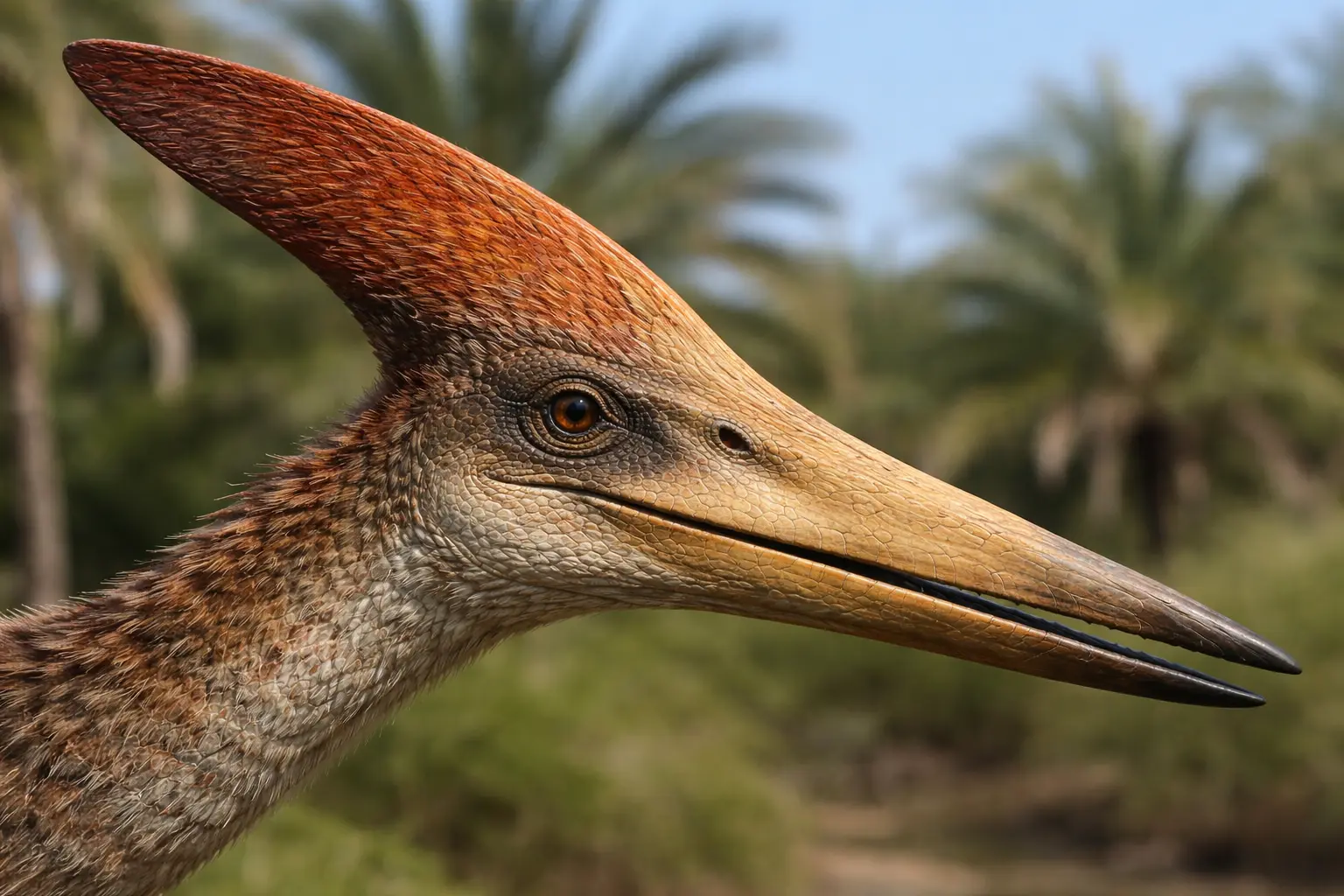
Pteranodon ate fish. It had a long, pointed beak with no teeth at all, which it used to scoop fish from the water. Scientists know this because some Pteranodon fossils have been found with fish bones inside them, right in the throat area.
Wings of skin
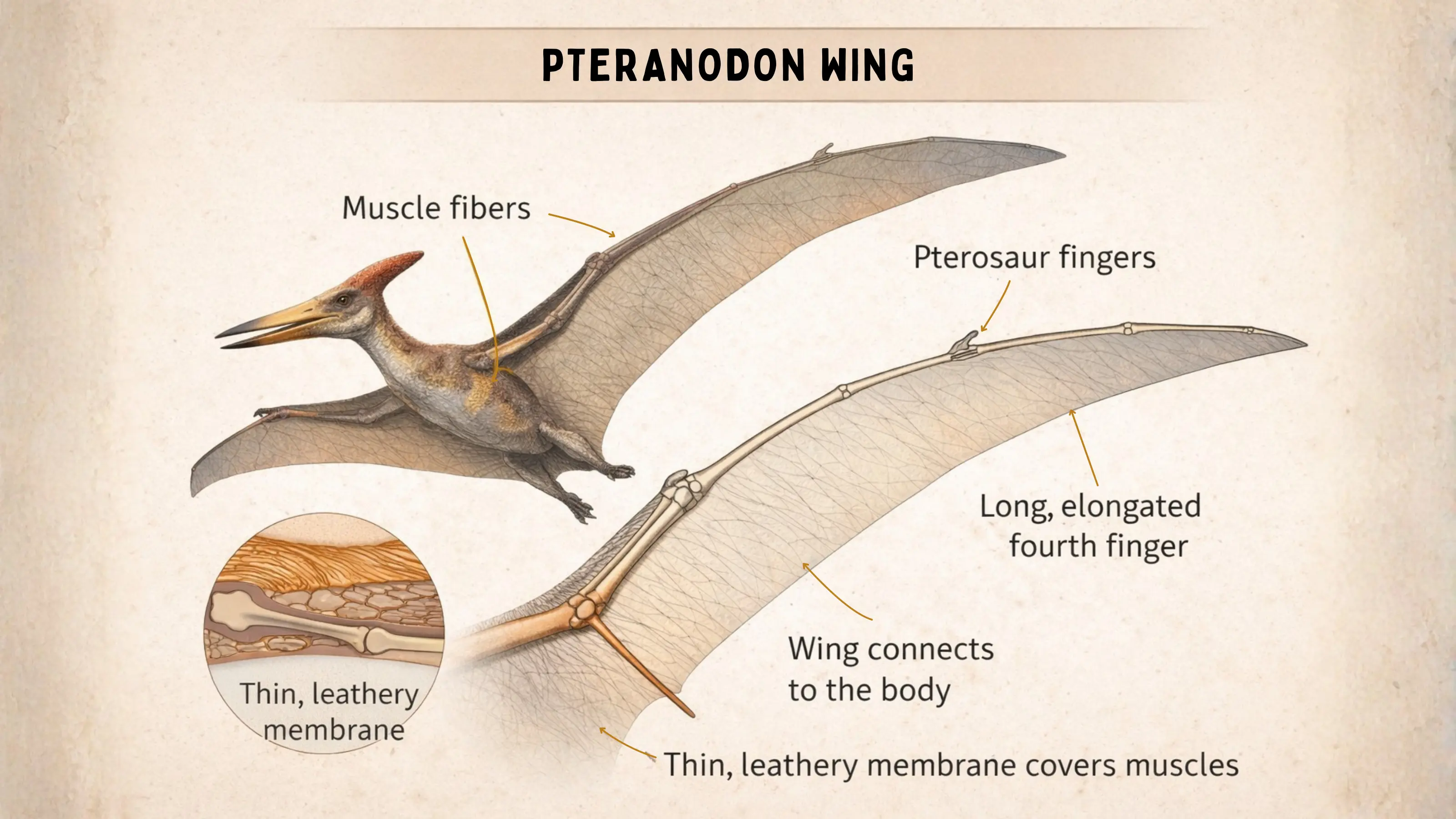
A Pteranodon's wings were made of skin, stretched from its body out to the tip of one very long finger. With wings about 6 m wide (20 feet), as wide as a small school bus is long, Pteranodon could glide for long distances over the sea. Like birds, pterosaurs had thin, hollow bones, which kept their big bodies light enough to fly.
The famous crest
Pteranodon had a long, bony crest sticking out from the back of its head. Males had bigger crests than females. Scientists think the crest was mostly for showing off, perhaps to attract a mate. It may also have helped Pteranodon steer while flying, like the rudder on a boat.
 AMAZING PTERANODON FACTS
How we know
Pteranodon fossils were first found in western Kansas, in rock that formed at the bottom of the Western Interior Seaway. Scientists have found many of them, from big and small adults, which helped them learn that males had larger crests.
Fossils also show that life over the sea was dangerous. Some Pteranodon bones have bite marks from ancient sharks, so these big flyers were sometimes on the menu themselves!

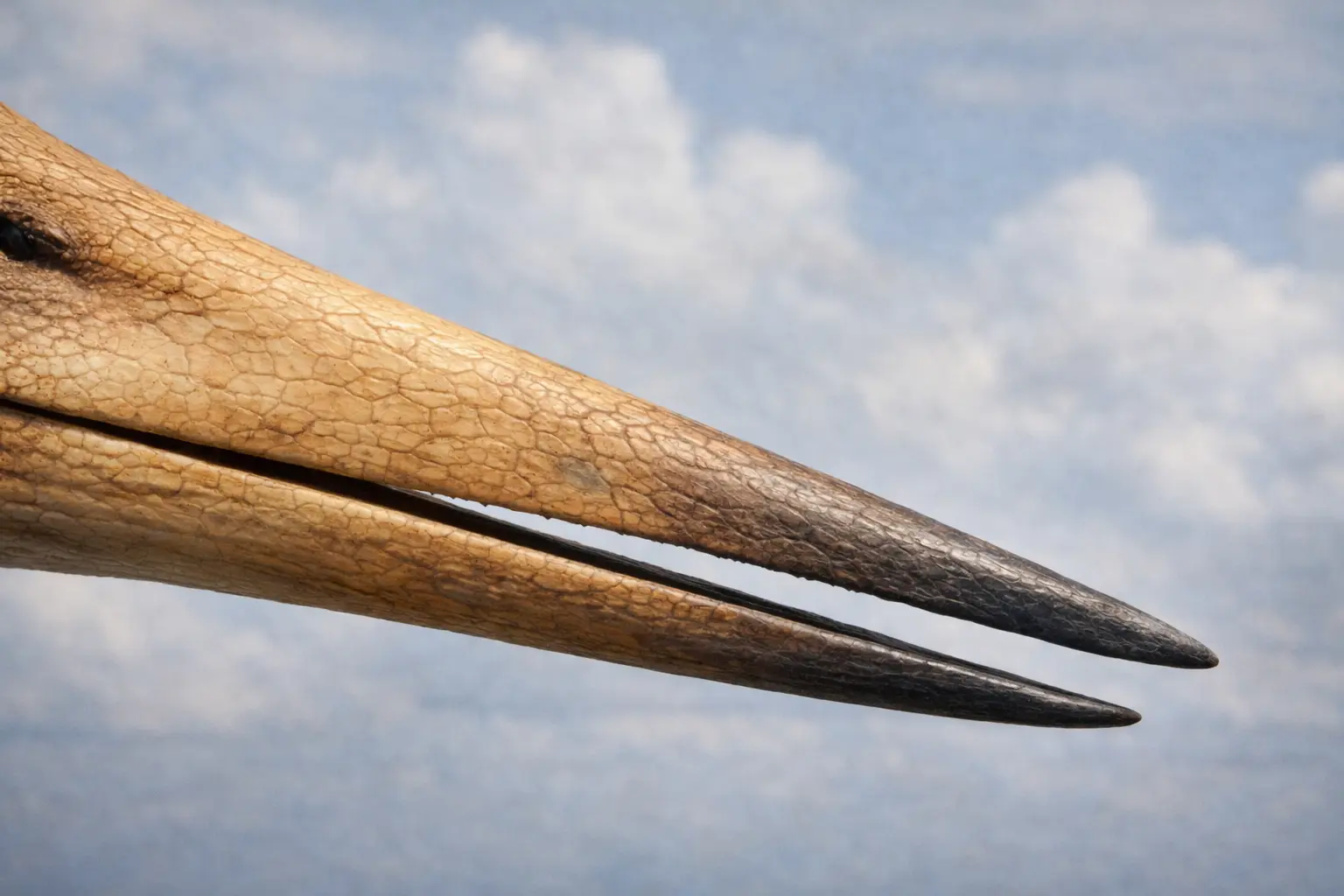


Pteranodon reminds us that while dinosaurs ruled the land, amazing reptiles ruled the skies.
Topics covered:
Up Next
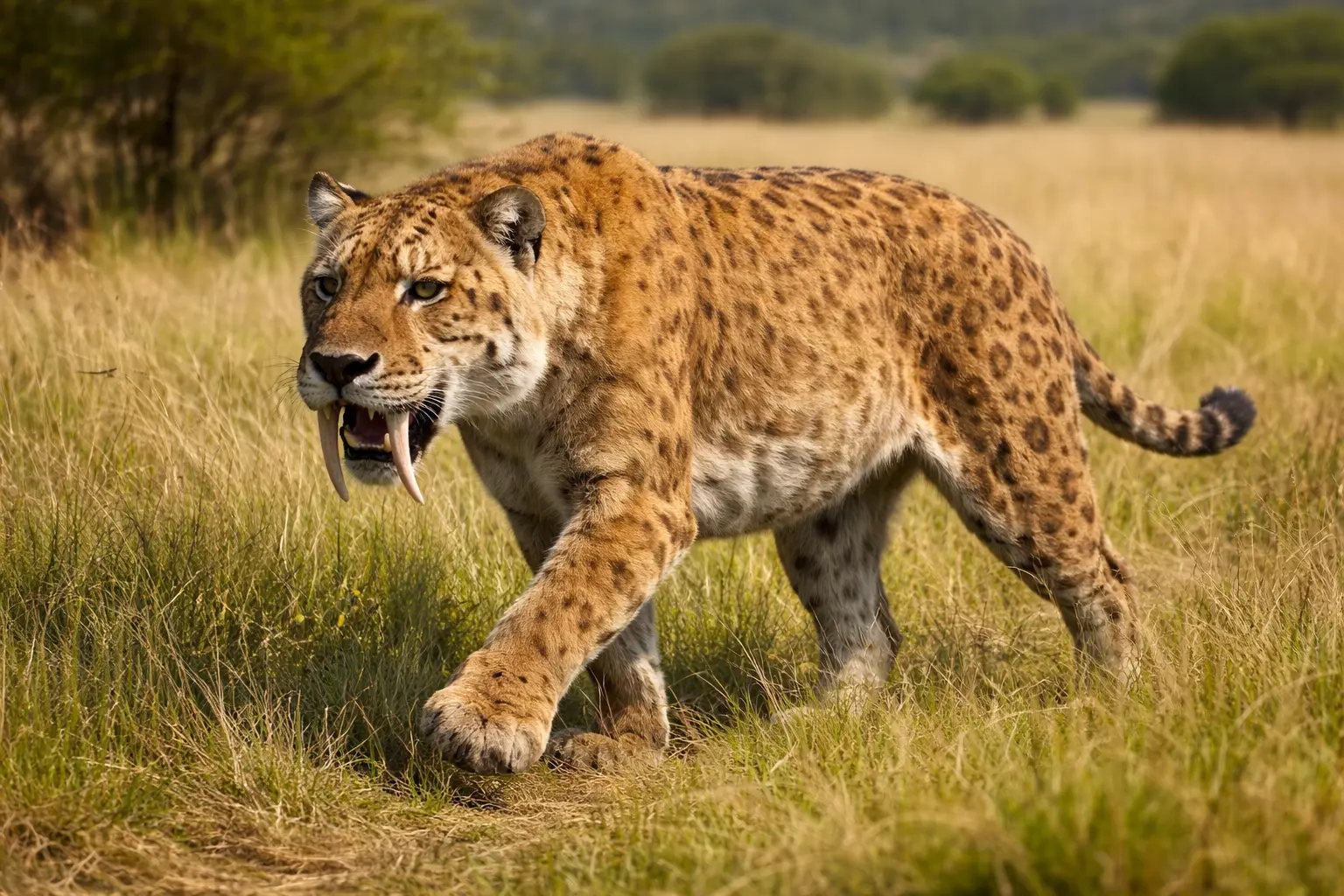
Sabre-Toothed Cat
The sabre-toothed cat Smilodon had fangs up to 18 cm long and weighed as much as a lion. Discover the Ice Age hunter found in the La Brea Tar Pits!