Tyrannosaurus Rex
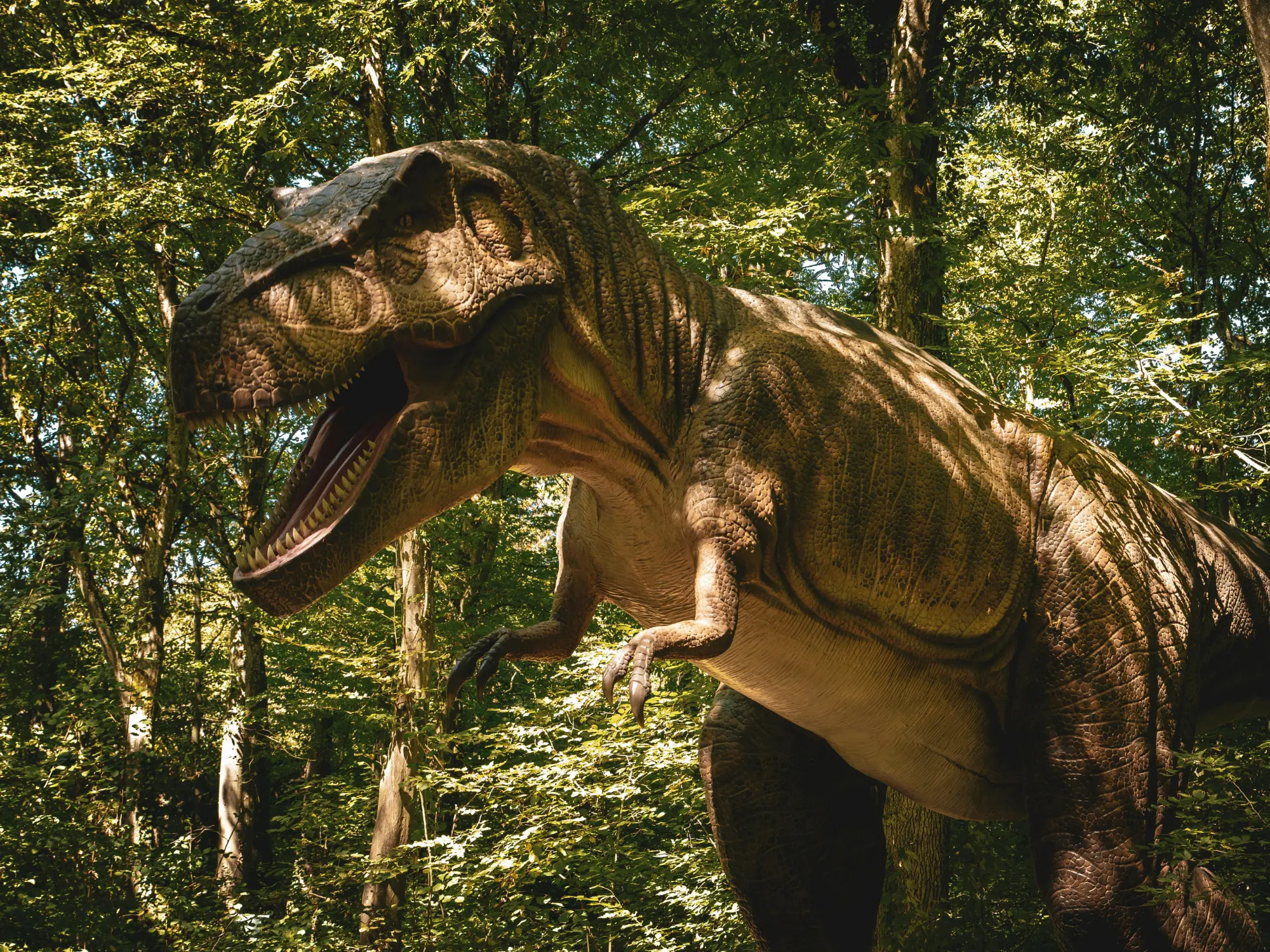
T. rex was one of the biggest meat-eaters ever, with 60 teeth up to 20 cm long. Meet Scotty, the record-breaking T. rex found in Saskatchewan!
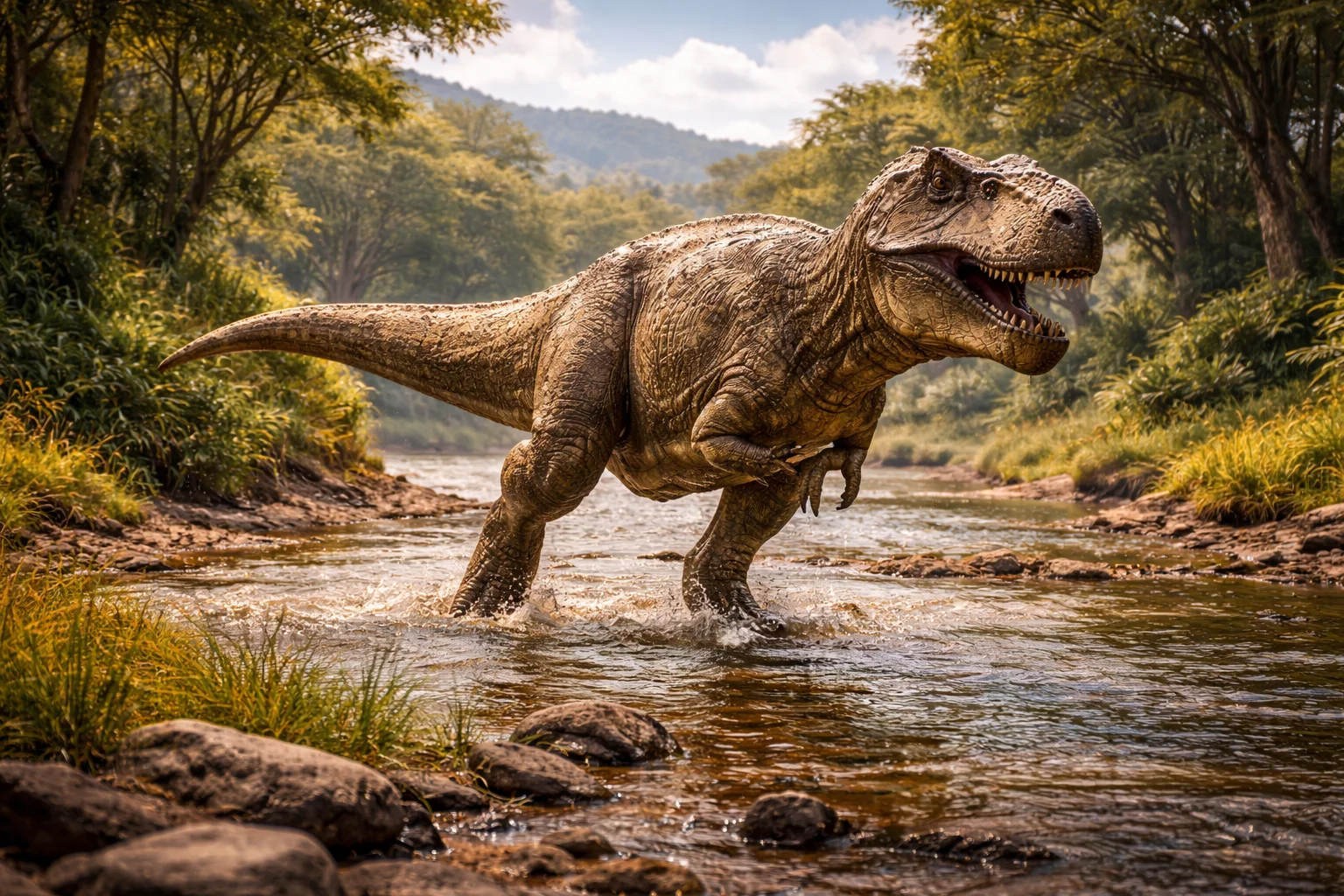
An artist scene of T. rex walking across a river plain with trees and hills in the distance.
Duskbloom Littles (Artistic Image Rendering)
Tyrannosaurus rex, or T. rex, is one of the most famous dinosaurs ever discovered. It was one of the biggest meat-eating animals that ever walked on land. Its name means "tyrant lizard king."
 TYRANNOSAURUS REX FACTS
When and where it lived
T. rex lived at the very end of the age of dinosaurs, about 68 to 66 million years ago. Its home was a warm land of forests, rivers and floodplains in what is now western Canada and the United States. Its fossils have been found in places like Montana, South Dakota, Wyoming, Alberta and Saskatchewan.
What it ate
T. rex was a meat-eater that hunted other dinosaurs. Scientists have found T. rex tooth marks on the bones of plant-eaters like Triceratops and Edmontosaurus. Those marks are like clues left behind at the scene, showing what was on the menu 66 million years ago.
A giant bite
T. rex had about 60 teeth, and the biggest were up to 20 cm long (8 inches), about as long as a banana. The teeth had jagged edges like a saw, and they were strong enough to crush bone. Scientists think its bite was three to five times stronger than a lion's.

Museum display showing the height and size of a T. rex skeleton. Image Credit: JJxFile, Wikimedia Commons
Big head, tiny arms
A T. rex skull could be more than 1.5 m long (5 feet), bigger than many kids are tall! Its arms, though, were tiny next to its huge body. Scientists are still working out what T. rex used its short arms for.
 AMAZING T. REX FACTS
How we know
Everything we know about T. rex comes from fossils: bones, teeth and footprints that turned to stone. The first T. rex skeleton was found in Wyoming in 1900, and the dinosaur got its name in 1905.
In 1991, a school principal named Robert Gebhardt spotted fossils near Eastend, Saskatchewan, while learning to search for fossils with scientists from the Royal Saskatchewan Museum. It turned out to be a T. rex, later nicknamed Scotty. In 2019, scientists announced that Scotty is the biggest T. rex ever found, about 13 m long (43 feet). Today you can see Scotty at the Royal Saskatchewan Museum in Regina, and a copy stands at the T. rex Discovery Centre in Eastend.


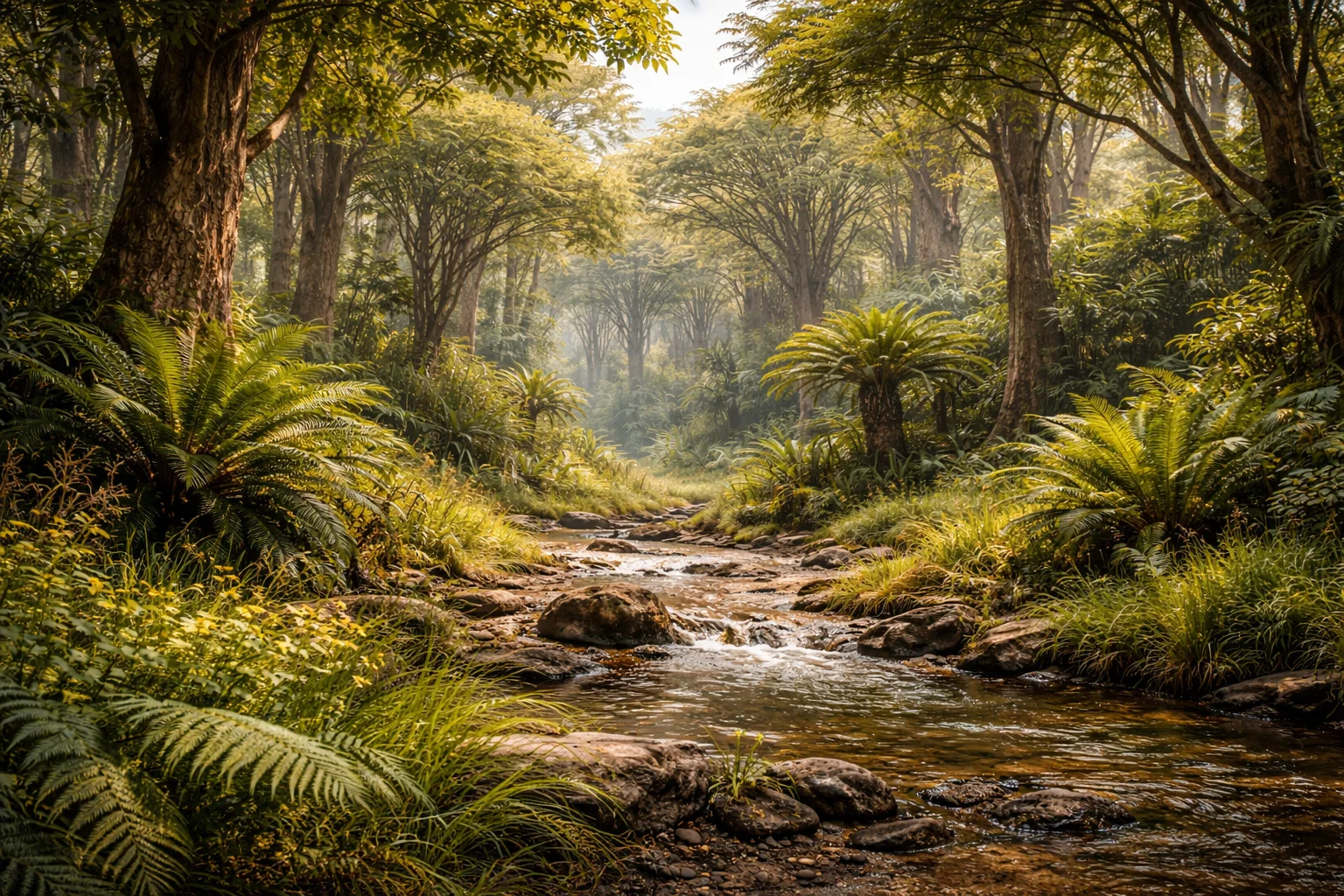

T. rex reminds us that the ground beneath our feet, even in Canada, still holds amazing secrets waiting to be found.
Topics covered:
Up Next
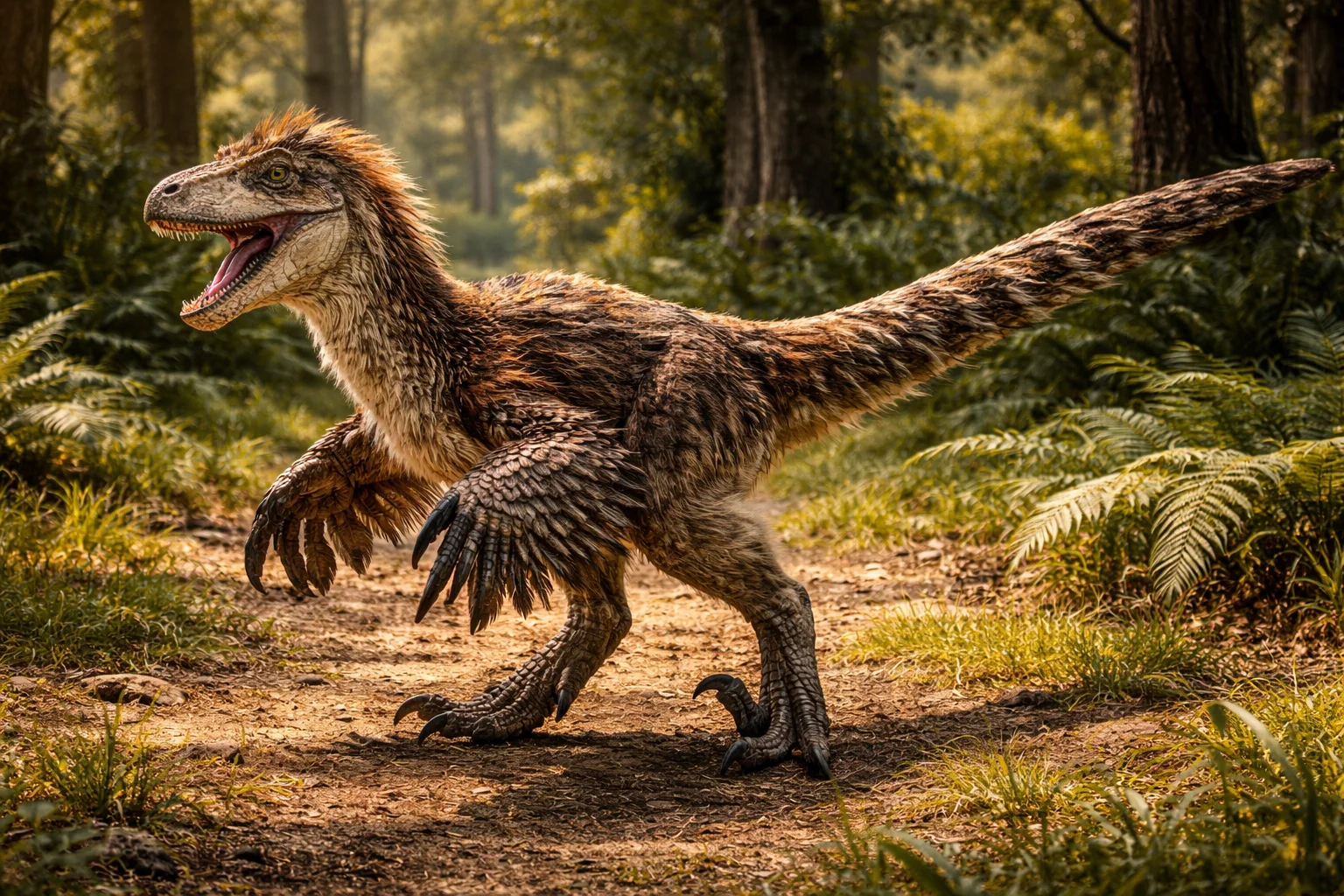
Velociraptor
Velociraptor was a feathered dinosaur about the size of a turkey, with a big curved claw on each foot. Discover the real raptor from the Gobi Desert!