Woolly Mammoth
Woolly mammoths were shaggy Ice Age giants with tusks up to 3.7 m long. Find out how they stayed warm and how some lived until 4,000 years ago!
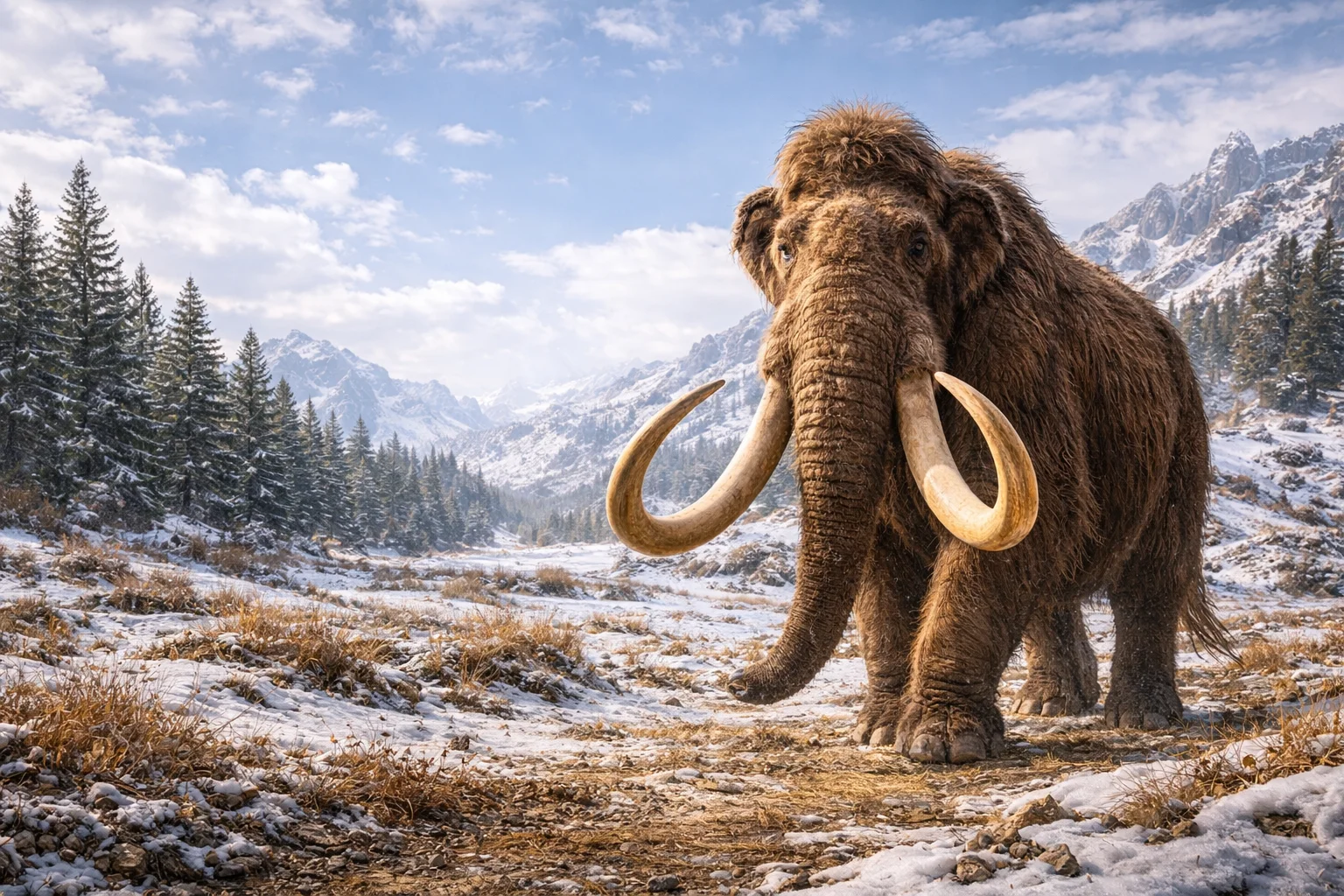
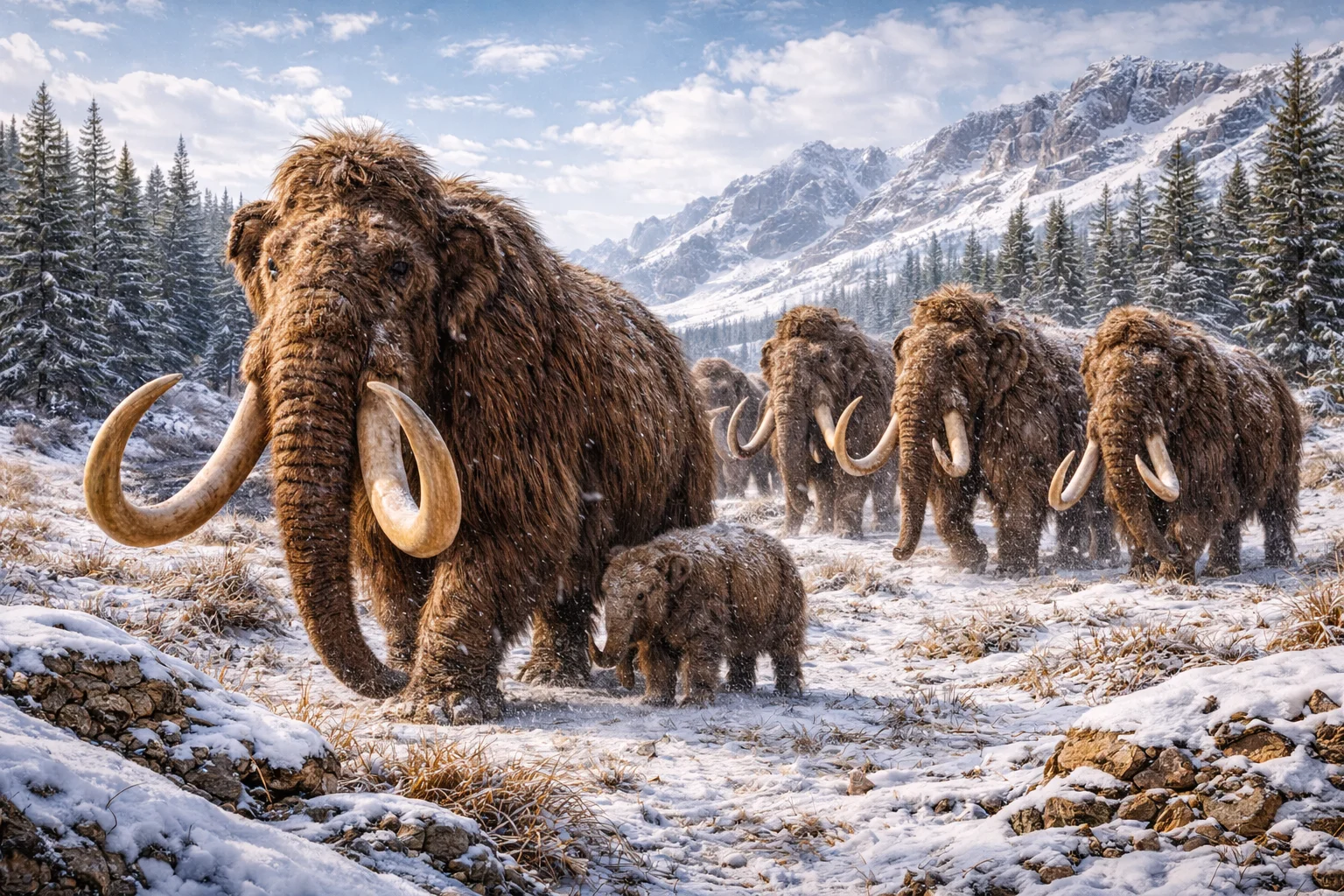
A woolly mammoth with long fur and curved tusks in a snowy landscape.
Duskbloom Littles (Artistic Image Rendering)
Woolly mammoths were huge, shaggy relatives of today's elephants. They lived during the Ice Age, in cold, windy places across the top of the world. Their thick fur and long, curved tusks made them one of the most famous animals of the Ice Age.
 WOOLLY MAMMOTH FACTS
When and where it lived
Woolly mammoths first appeared in northeastern Siberia, then spread across Europe and Asia. During the Ice Age, so much water was frozen into ice that the sea level dropped, and a wide strip of land joined Asia to North America. Mammoths walked across this land bridge, called Beringia, into what is now Alaska and the Yukon.
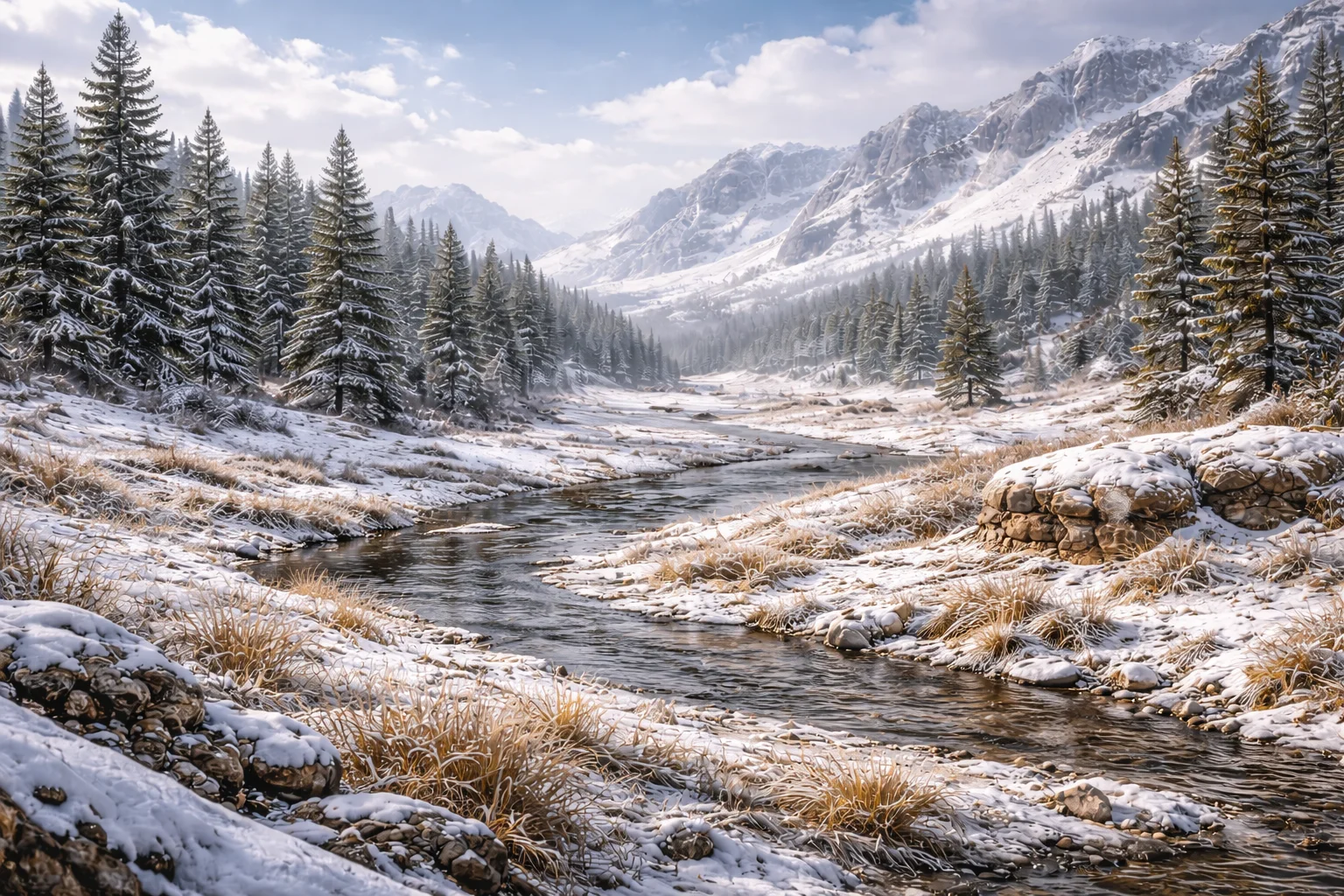
They lived on the "mammoth steppe," a huge, cold grassland that stretched across the north of the world.
What it ate
Woolly mammoths were herbivores. They grazed on grasses and other tough plants that grew on the cold grasslands. They used their trunks to pull up plants and their huge, ridged teeth to grind them.
Built for the cold
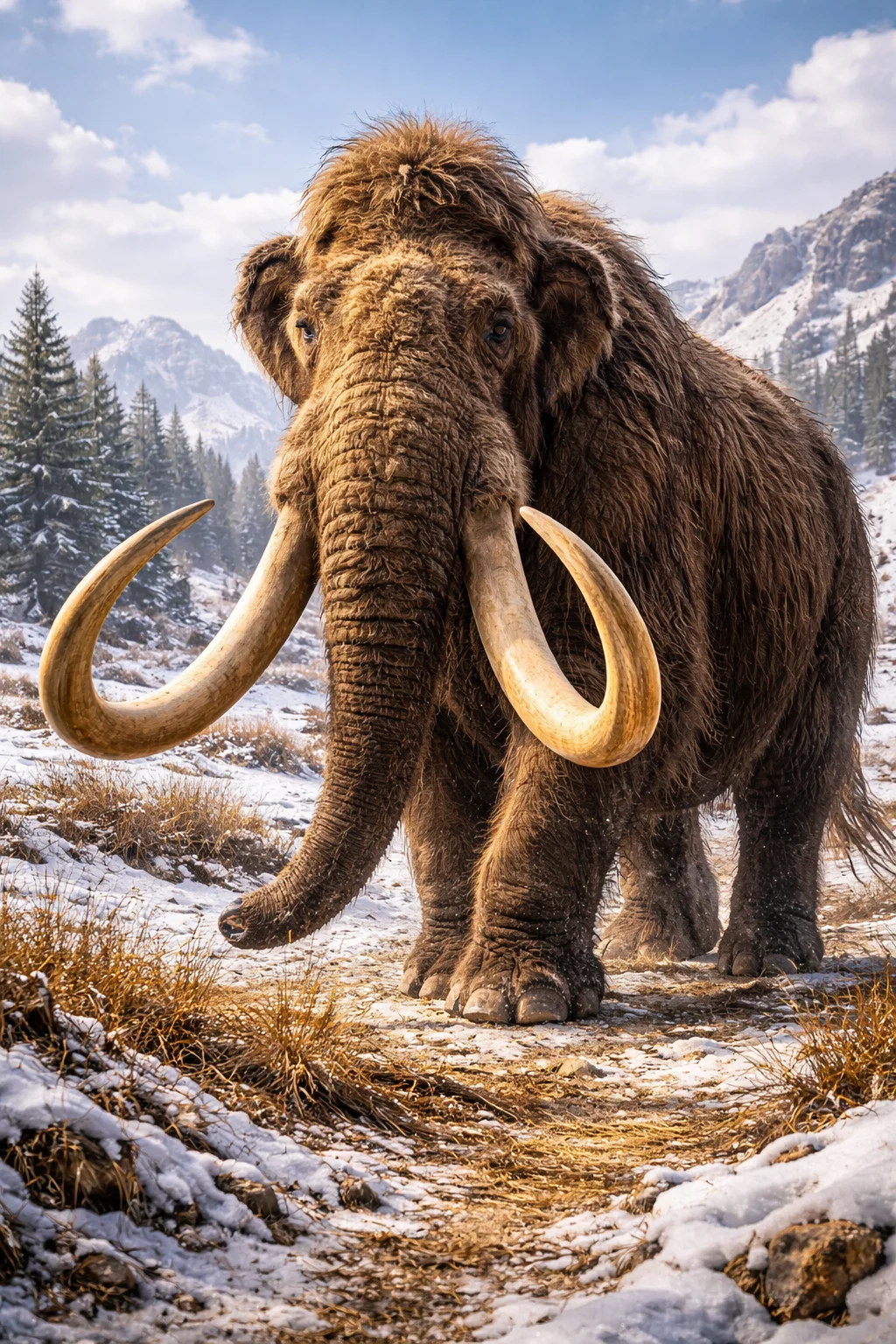
Woolly mammoths had long, shaggy fur to keep them warm, and a thick layer of fat under their skin. Scientists used to think their fur was reddish, but they now think it was a deeper chocolate brown. Their ears and tails were small, which helped them lose less heat.
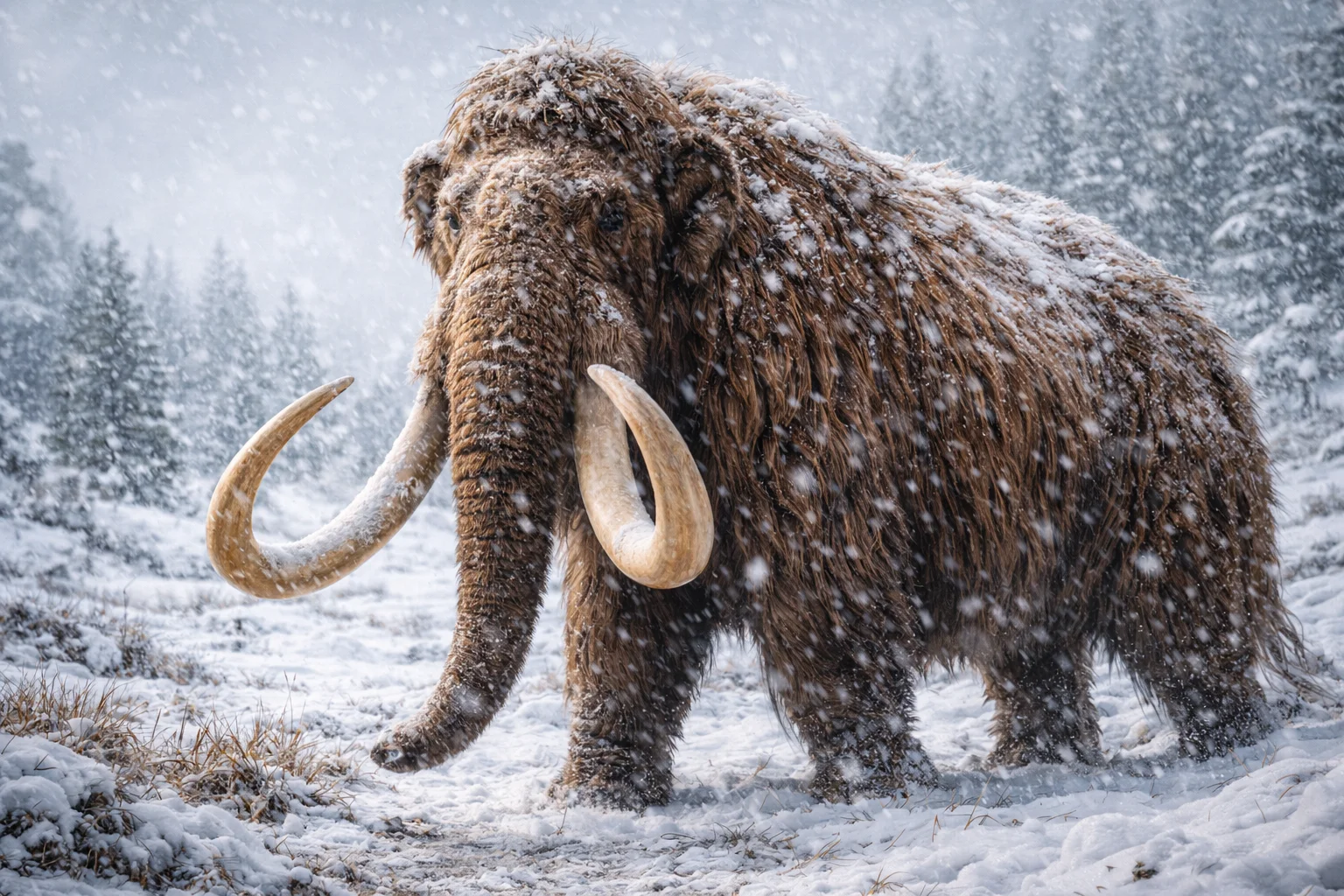
Snowy scene showing the thick fur that helped mammoths stay warm. Image Credit: Duskbloom Littles (Artistic Image Rendering)
Giant tusks
A woolly mammoth's tusks were really long, curved front teeth. They could grow to about 3.7 m long (12 feet), and they kept growing a little every year, about 2.5 to 15 cm (1 to 6 inches). Mammoths may have used their tusks to sweep away snow to find plants underneath.
 AMAZING WOOLLY MAMMOTH FACTS
How we know
Scientists have found many mammoth bones, teeth and tusks. In Siberia and Alaska, they've even found mammoths that were frozen in the ground for thousands of years, with their skin and fur still there.
Mammoths disappeared from the mainland around 10,500 years ago. But a small group survived on Wrangel Island, off the coast of northeastern Siberia, until about 4,000 years ago. Scientists are still studying why they finally died out. Changes in the climate and hunting by people may both have played a part.


Woolly mammoths teach us how animals adapt to the cold, and how much our world has changed since the Ice Age.
Topics covered:
Up Next
Pteranodon
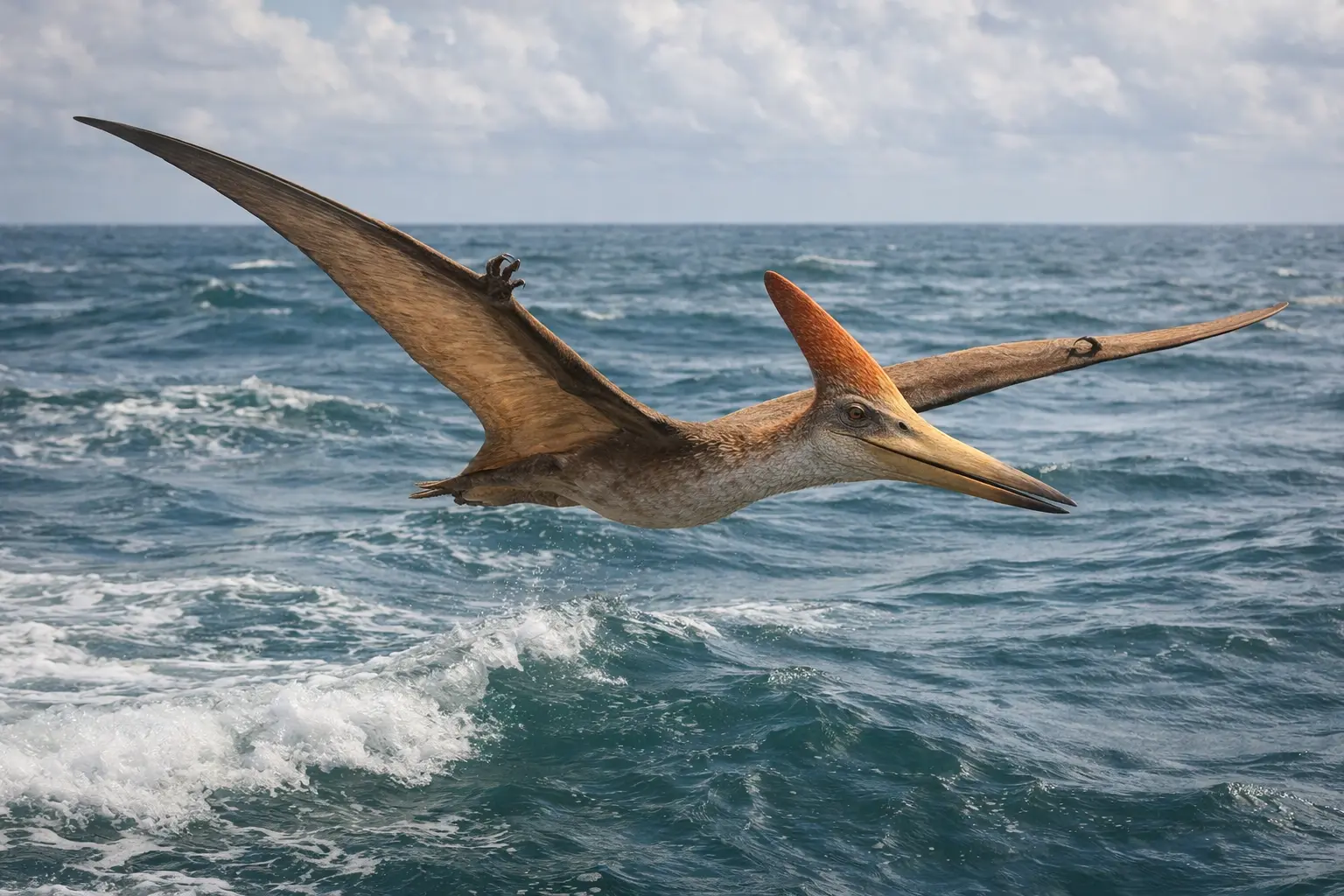
Pteranodon was a flying reptile with wings about 6 m wide and no teeth at all. Find out how it soared over an ancient sea that covered Kansas.