Velociraptor
Velociraptor was a feathered dinosaur about the size of a turkey, with a big curved claw on each foot. Discover the real raptor from the Gobi Desert!
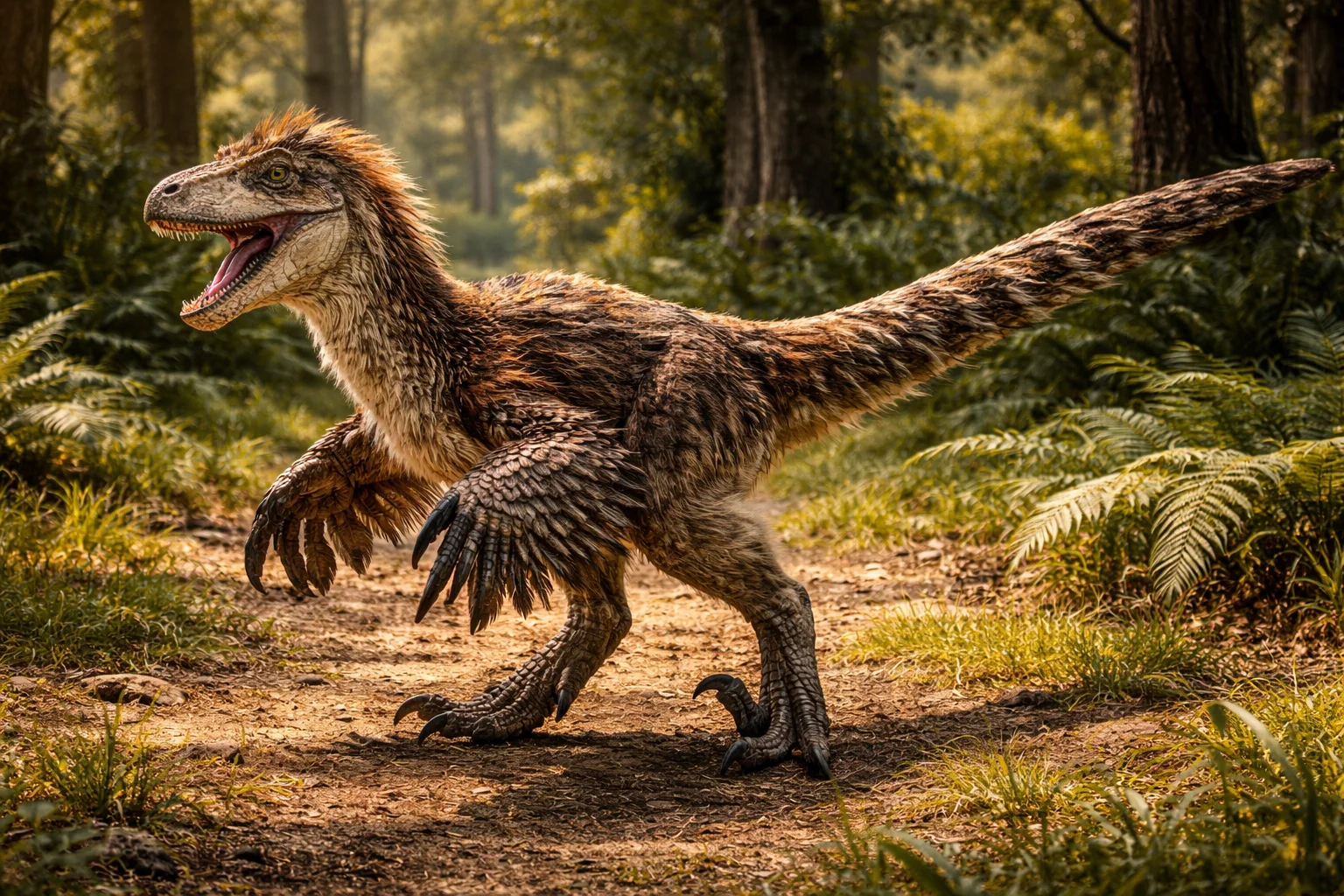
Artist illustration of a feathered Velociraptor with a long tail and sharp claws.
Duskbloom Littles (Artistic Image Rendering)
Velociraptor was a small, quick hunting dinosaur that lived in the deserts of Asia. In movies it's often shown as big and scaly, but the real Velociraptor was only about the size of a turkey, and it was covered in feathers, just like a bird.
 VELOCIRAPTOR FACTS
When and where it lived
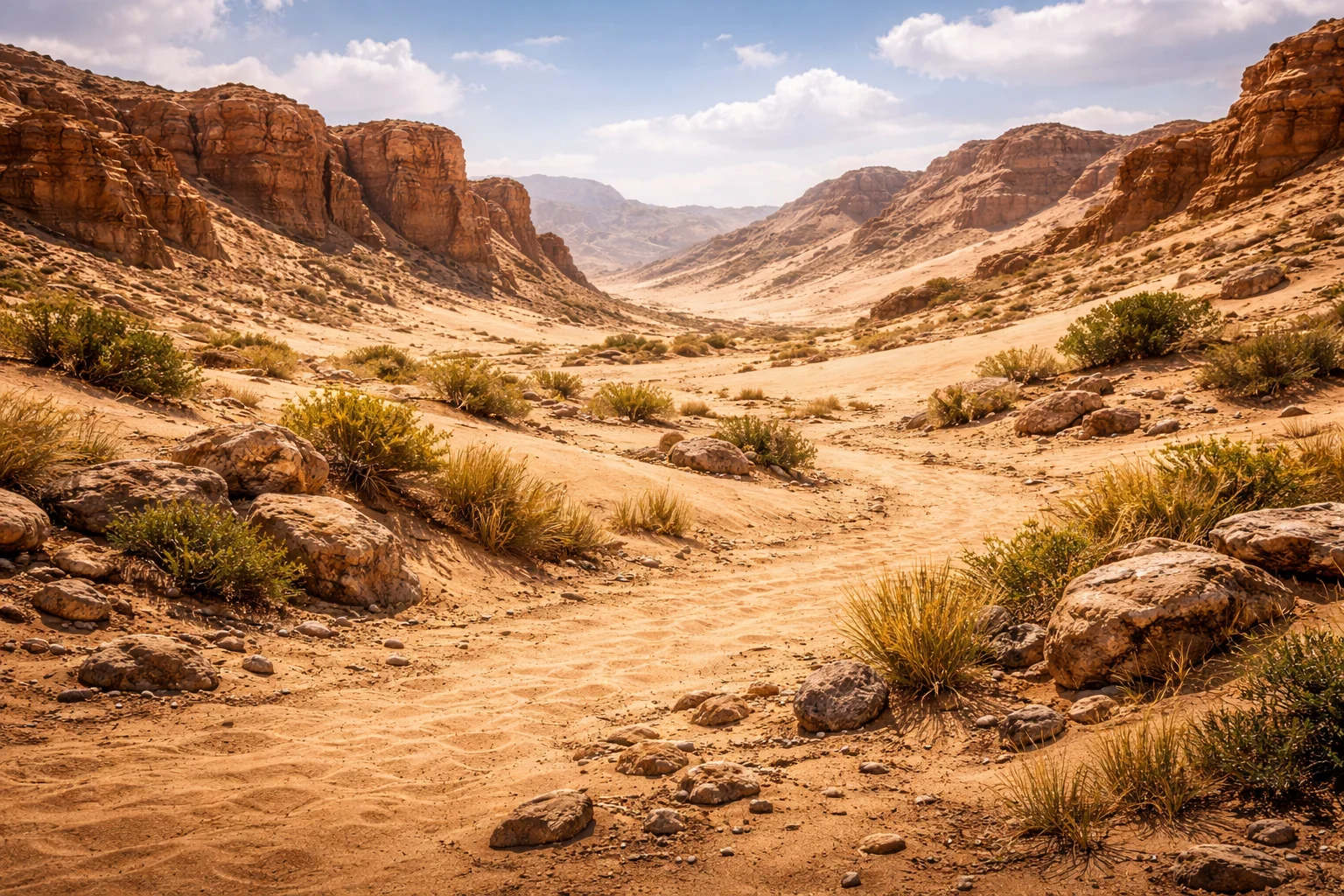
Velociraptor lived about 74 to 70 million years ago, in the area that is now the Gobi Desert in Mongolia. Back then it was a dry, sandy place with sand dunes, a lot like the desert there today.
Velociraptor shared its desert home with other dinosaurs, including Protoceratops, a plant-eater with a beak and a small frill. Their fossils are often found in the same rocks.
What it ate
Velociraptor was a meat-eater. It probably hunted small animals like lizards and small mammals, and it attacked other dinosaurs too. One famous fossil shows a Velociraptor locked in a fight with a plant-eating dinosaur called Protoceratops.
Feathers like a bird
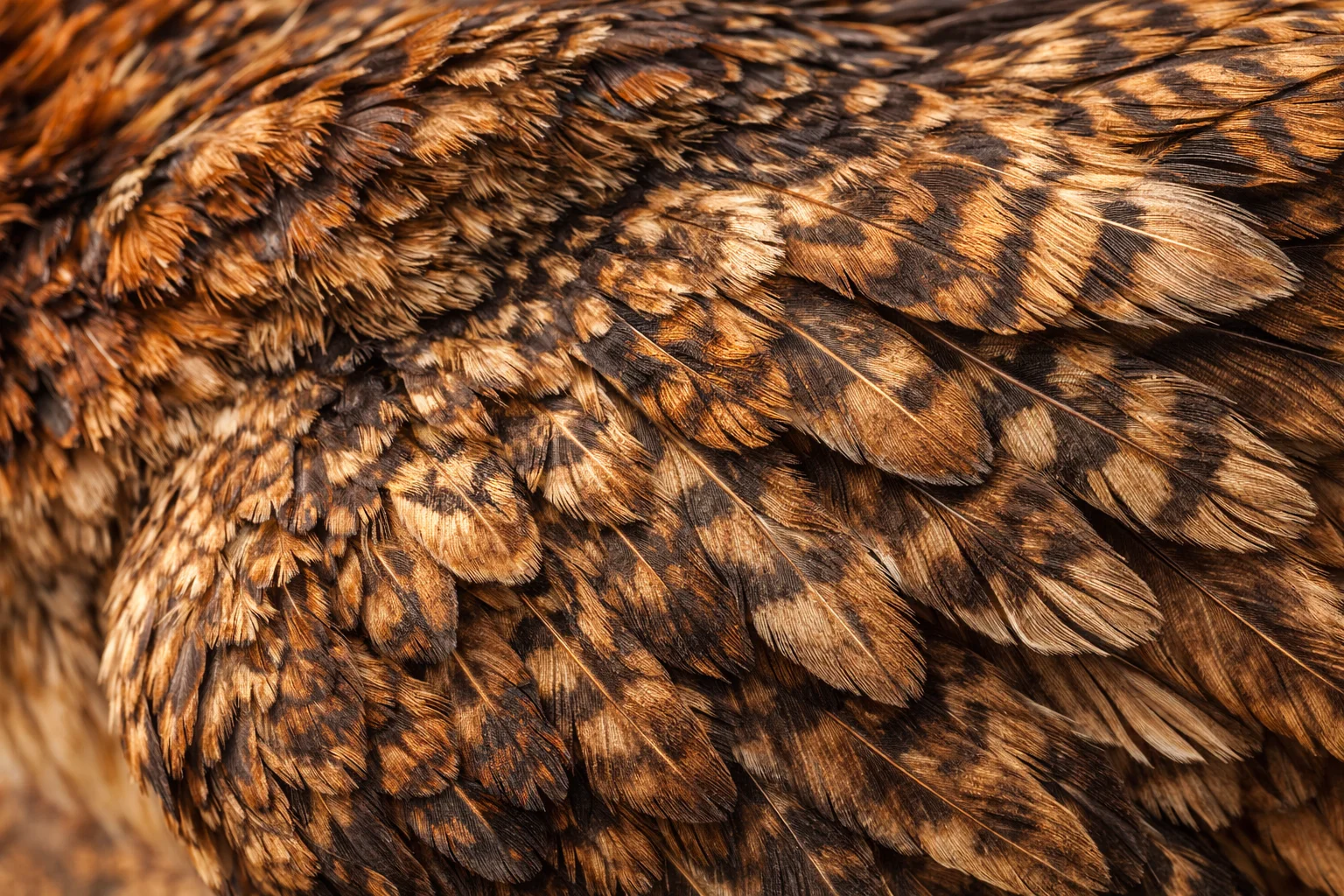
For a long time, scientists weren't sure whether Velociraptor had feathers. Then, in 2007, they looked closely at a Velociraptor arm bone and found a row of small bumps called quill knobs. In birds today, these bumps are where big wing feathers attach to the bone. That showed Velociraptor had long feathers on its arms, even though it couldn't fly. Scientists think its ancestors may have been able to fly.

Skeleton display highlighting the long tail and curved claw. Image Credit: Jens Lallensack, Wikimedia Commons
A curved claw
Velociraptor had a large, curved claw on each foot, which it held up off the ground as it walked. It probably used these claws to grab and hold on to its prey. Its long, stiff tail helped it balance as it ran and turned.
 AMAZING VELOCIRAPTOR FACTS
How we know
The first Velociraptor fossil was found in 1923 by a team from the American Museum of Natural History, exploring the Gobi Desert. It was named in 1924.
In 1971, scientists from Poland and Mongolia made an amazing discovery: a Velociraptor and a Protoceratops buried together, still locked in battle. The Velociraptor's claw is next to the Protoceratops's neck, and the Protoceratops is biting the Velociraptor's arm. This fossil, called the "Fighting Dinosaurs," is one of Mongolia's national treasures.

Velociraptor shows us just how much some dinosaurs had in common with the birds we see today.
Topics covered:
Up Next
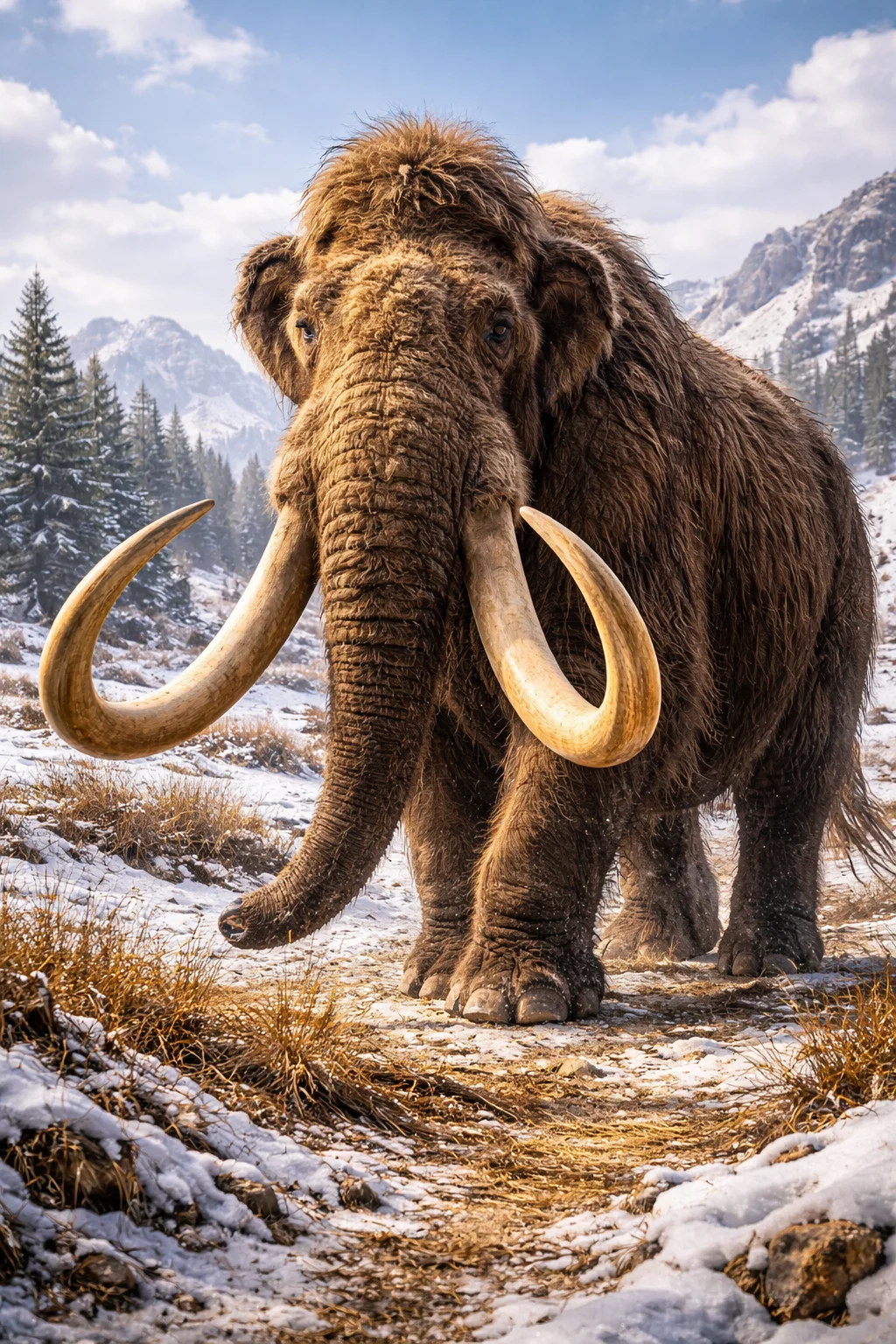
Woolly Mammoth
Woolly mammoths were shaggy Ice Age giants with tusks up to 3.7 m long. Find out how they stayed warm and how some lived until 4,000 years ago!